When people buy a trailer cover, they often only see the finished product. What they do not always see is the amount of work, material quality, and attention to detail that goes into producing a cover designed to last.
Not all trailer covers are manufactured to the same standard. From the material selection through to welding, stitching, and finishing, every stage plays a role in how well a cover performs over time.
Here is a look behind the scenes at what goes into producing a heavy-duty trailer cover built for real-world use.

Starting with the Right Material
Everything begins with the material itself.
One of the biggest differences between premium and lower-quality trailer covers is the specification of the fabric used. Lightweight materials may reduce manufacturing costs, but they often compromise durability, waterproofing, and lifespan.
Our covers are manufactured using robust 650gsm UPVC material chosen for its:
- Heavy-duty strength
- Waterproof performance
- UV resistance
- Flexibility in changing temperatures
- Long-term durability
This type of material is designed to cope with demanding outdoor conditions throughout the year.
Precision Measuring & Pattern Design
A quality trailer cover starts long before the material is cut.
Accurate measuring and careful pattern design are essential to ensure:
- A proper fit
- Correct tension across the cover
- Reduced flapping in windy conditions
- Better water runoff
- Improved long-term performance
Poorly fitted covers are more likely to suffer wear, pooling water, and premature failure.
Each design must take into account the trailer type, frame shape, fixing points, and intended use.
Cutting & Manufacturing
Once the design is finalised, the UPVC material is cut to size using precise templates and manufacturing processes.
Attention to detail during this stage is critical. Even small inconsistencies can affect how the finished cover fits and performs.
The heavier nature of 650gsm material also requires stronger manufacturing methods compared to lightweight alternatives.
Strong Seams & Reinforced Stress Points
Seams are one of the most important parts of any trailer cover.
Weak seams are often the first area to fail on cheaper products, especially when exposed to:
- Wind movement
- Heavy rain
- UV exposure
- Repeated tension during fitting and removal
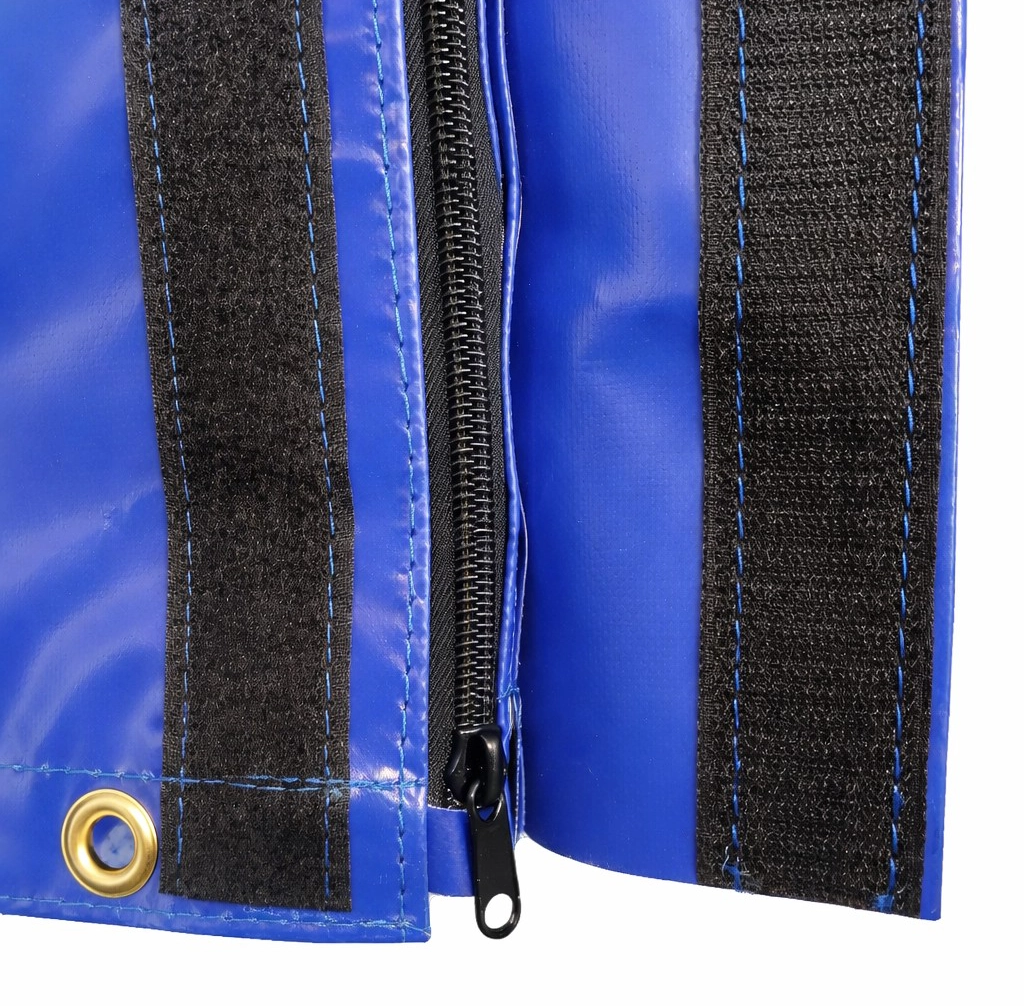
Quality covers use reinforced seams and durable joining methods designed for heavy outdoor use.
High-stress areas around eyelets, corners, and fastening points require additional reinforcement to help withstand years of repeated use.

Built to Handle Real Conditions
A trailer cover must perform in more than just ideal weather.
Throughout its life, it may face:
- Heavy rain
- Frost and snow
- Strong sunlight
- Mud and road grime
- High winds
- Frequent loading and unloading
That is why heavy-duty construction matters.
Using stronger materials and reliable manufacturing methods helps ensure the cover remains waterproof, secure, and durable over time.
Why Manufacturing Quality Matters
At first glance, many trailer covers can appear similar online. However, the difference in material quality and manufacturing standards often becomes clear after months of outdoor use.
A well-made heavy-duty cover can provide:
- Longer lifespan
- Better weather protection
- Improved resistance to tearing
- Reduced maintenance
- Better long-term value
Investing in quality manufacturing ultimately helps protect both the trailer and the equipment being transported.
Final Thoughts
Behind every durable trailer cover is a combination of quality materials, careful manufacturing, and practical design.
From the use of heavy-duty 650gsm UPVC through to reinforced seams and accurate fitting, every detail contributes to a cover built to withstand real-world conditions.
The result is reliable protection designed for long-term outdoor use — whatever the weather brings.